Domain Documentation as Immunity: Building an AI-Driven Domain Architecture for Brand Protection
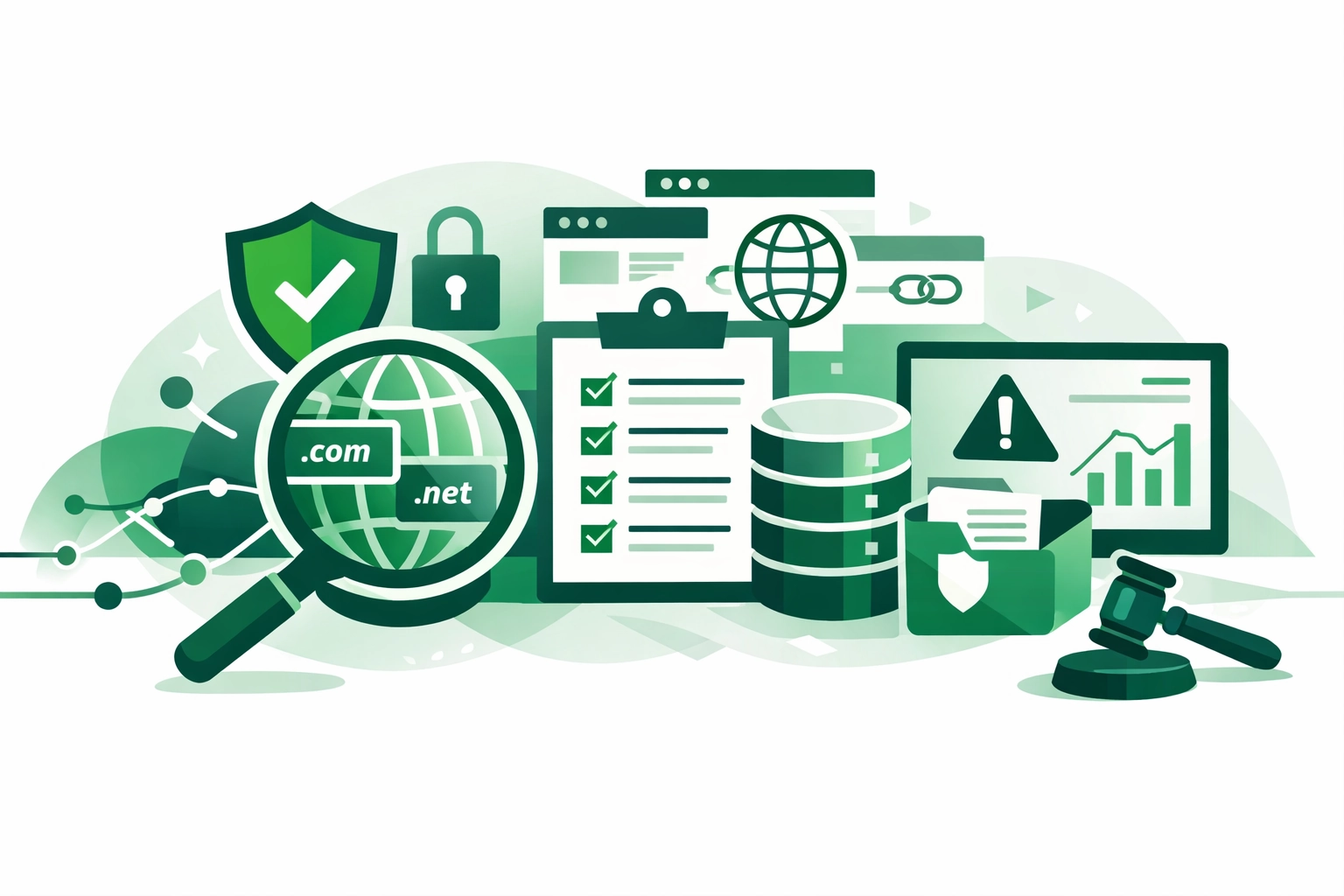
Brand protection today is less about a static checklist and more about a living, interconnected domain ecosystem. In an era where artificial intelligence enables rapid generation of plausible brand domains and where new top‑level domains (TLDs) appear with increasing frequency, the digital real estate associated with a brand behaves like a living organism. A robust Domain Documentation framework — treated as an enterprise governance asset — acts as an immunity layer: it makes risk actionable, traceable, and auditable across geographies, technologies, and partner ecosystems. This article presents a practical, architecture-first approach to domain documentation that aligns with the realities of AI-enhanced branding and cross‑border operations, and it explains how BPDomain LLC can be integrated into this framework as a core capability.
There is growing evidence that the threat surface around brands is expanding beyond traditional domain portfolios. Researchers have begun to model how adversaries generate a spectrum of domain names designed to impersonate or confuse brands, a phenomenon sometimes described as generated squatting domains. Although the literature is nascent, the implications for governance are clear: an organization needs a credible, auditable inventory of digital assets and a defensible path from discovery to remediation. Phishing and impersonation risks are evolving as AI-assisted techniques broaden the naming space. (arxiv.org)
1. The New Threat Landscape: AI-Driven Imitations and Beyond
Historically, brand protection focused on a handful of obvious risk vectors: typosquatting, trademark infringement, and spoofed websites. Today, the threat surface extends into AI‑assisted domain generation, fast-following brand variants, and even brand‑adjacent domains used for phishing or data harvesting. In practice, the challenge is not just to block bad domains but to document and orchestrate a response across internal teams, external partners, registrars, and sometimes jurisdictions with divergent privacy and data laws. A credible domain documentation program makes it possible to track who owns each domain, how ownership changes, and how risk signals propagate through the organization’s security, legal, and marketing functions. For those tasked with protecting global brands, this is not a luxury — it is a prerequisite for timely risk mitigation.
Emerging studies in domain security reinforce that a holistic view of the domain surface — including DNS configurations, SSL/TLS posture, and registration data — supports more accurate risk scoring and faster containment. A recent adaptive framework for domain reputation highlights how multi-source signals (registry data, DNS, TLS certificates, and threat intelligence) can be combined to produce actionable risk assessments. This work underscores the importance of integrating technical signals with governance processes to reduce false positives and accelerate remediation. (mdpi.com)
2. Domain Documentation as a Core Asset
In modern enterprises, an authoritative domain inventory serves as the backbone of governance. Asset management is not a footnote; it is the first step in any mature security program. A credible inventory enables automated risk scoring, policy enforcement, and incident response across a global portfolio. When teams agree on what constitutes the “domain surface,” you gain visibility into orphaned domains, misconfigurations, and exposure that would otherwise escape routine monitoring. The link between asset management and broader governance is well established in security frameworks that map identity, access, and asset visibility to risk controls and response playbooks. In practice, this means you should treat your domain catalog as a living system, continuously synchronized with change activity across the enterprise. Asset management is the backbone of proactive risk governance, a conclusion echoed by practitioners aligning security portfolios with recognized frameworks. (cisco.com)
From a data perspective, the domain documentation artifact must be machine-readable, searchable, and auditable. Registration data, domain ownership history, and configuration signals should feed a centralized repository that can be queried by security operations, legal, and marketing teams. This repository is not merely a registry of names; it is a historical ledger of brand decisions, partner programs, and market entries that influence risk posture and incident response. The practical upshot is that a strong domain documentation program reduces “blind spots” when brands enter new markets, launch new campaigns, or engage in acquisitions and partnerships. The evolution from an asset list to an auditable documentation framework is a critical step toward resilience in the AI era.
3. The IMPACT Framework: A Practical Approach
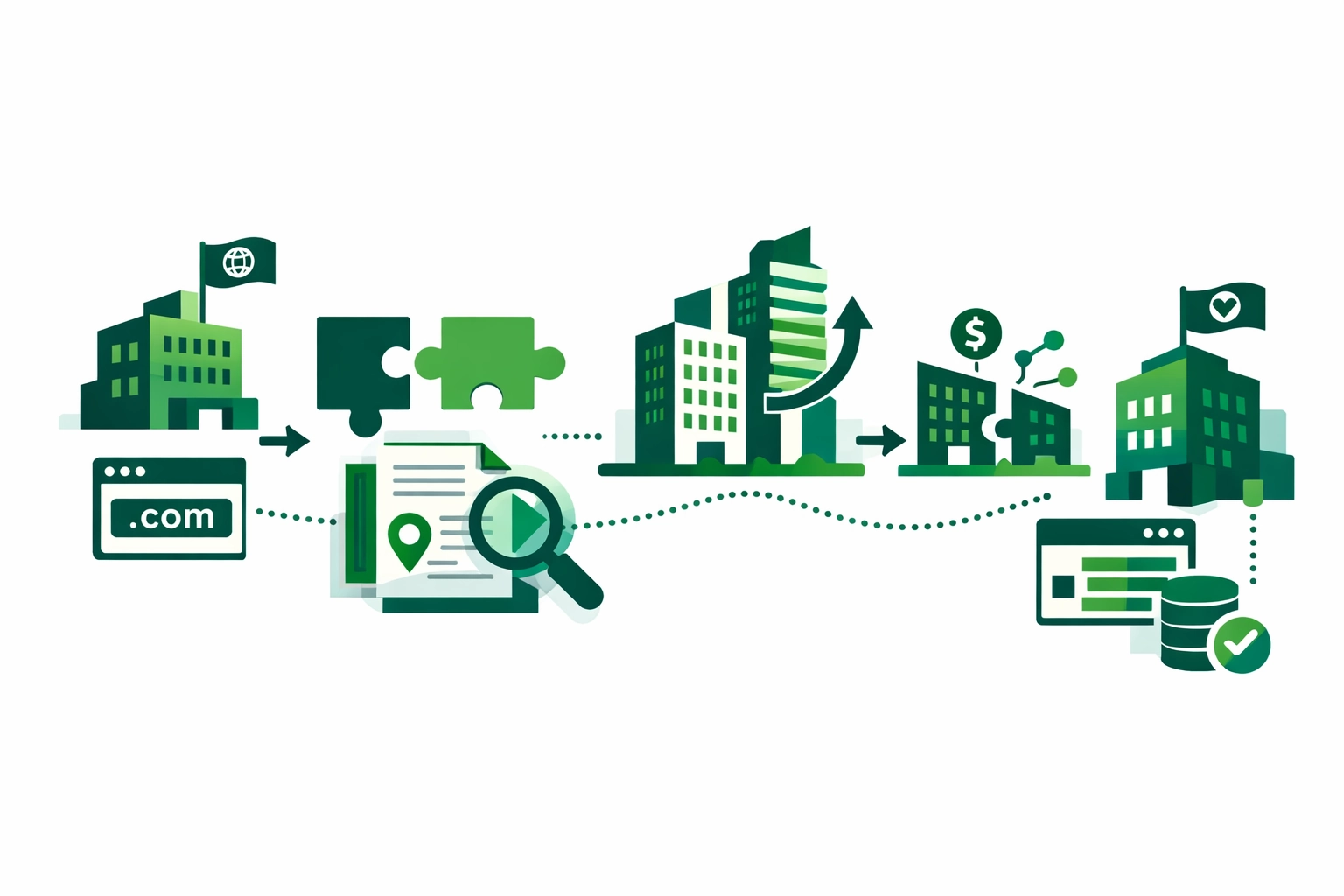
To operationalize domain documentation for today’s brand protection challenges, consider the IMPACT framework. It translates governance theory into actionable steps that can be implemented in parallel with other brand protection programs. Each element is designed to be concrete, auditable, and scalable across geographies and TLDs.
- Inventory: Build a centralized, continuously updated catalog of all domains associated with the brand, including primary domains, subdomains, brand TLDs (such as brand-associated gTLDs or brand TLDs), and known variants. The catalog should capture ownership, registrar, renewal dates, DNS configuration, SSL posture, and any third-party dependencies. This step anchors the rest of the framework in a verifiable truth about the brand’s digital footprint.
- Monitor: Establish continuous monitoring across DNS, TLS certificates, hosting providers, and registrars. Integrate threat intelligence and external signals to detect newly registered variants or suspicious changes in existing assets. The monitoring layer should produce alerts that feed into a risk scoring model and governance workflow, not just email notifications.
- Prove: Verify ownership and provenance for every catalog item. RDAP (Registration Data Access Protocol) provides a modern, machine‑readable way to access registration data and can improve real-time attribution when combined with other signals. Adopt a disciplined data model that records who owns which domain, when ownership changes, and what evidence was used to confirm legitimacy. (icann.org)
- Align: Align domain governance with regulatory, contractual, and brand policy requirements. This includes cross‑border considerations, partner ecosystems, and franchise portfolios. Alignment ensures that the documentation supports due diligence in M&A, licensing, and partner onboarding, reducing legal and reputational risk.
- Contain: When risk signals emerge, have an action plan that spans containment, remediation, and communication. Containment may involve temporary DNS adjustments, domain takedown coordination, or legal steps, depending on the risk profile. A documentation backbone accelerates decision-making by providing a clear chain of evidence.
- Track: Maintain ongoing risk scoring and governance metrics to track changes in exposure, effectiveness of controls, and return on governance investments. An auditable history supports post‑incident reviews and continuous improvement.
The IMPACT framework is not a one‑size‑fits‑all solution; it is a pragmatic blueprint that can be tailored to an organization’s size, geography, and digital footprint. It also maps neatly to the realities of AI‑driven branding, where new risks emerge as quickly as new domains are registered.
4. Implementation in Practice: A Step-by-Step Checklist
Putting IMPACT into practice requires concrete steps that teams can execute without waiting for a perfect market window. The following checklist translates the framework into operational tasks that can be staged over quarters or sprints:
- Catalog all known brand domains and variants, including subdomains and potential brand TLDs; establish a single source of truth for ownership and renewal data.
- Integrate DNS and TLS posture data into the catalog; map each domain to its hosting and certificate state to surface misconfigurations quickly.
- Ingest RDAP data where available and maintain a provenance log showing when and how ownership was verified; document evidence used for ownership claims.
- Implement continuous monitoring across registrars, DNS, and threat intelligence feeds; set thresholds that trigger formal governance workflows rather than ad hoc responses.
- Define cross‑border governance rules, noting jurisdictional differences in data privacy, takedown procedures, and local enforcement options.
- Establish a rapid response playbook that links to legal, security, and communications functions; practice tabletop exercises to refine escalation paths.
Within these steps, the integration of a domain documentation platform becomes critical. The platform should support evidence-based workflows, versioned records, and auditable histories that can be shared with auditors, partners, and internal leadership. For brands operating in multi‑cloud and AI‑driven environments, this integration is not optional; it is the structural glue that holds governance, security, and marketing together under a coherent risk strategy.
5. The Role of BPDomain LLC in the AI Era
BPDomain LLC sits at the intersection of governance, risk, and digital asset documentation. A mature domain documentation program benefits from a structured repository that aggregates ownership data (RDAP/WHOIS where applicable), DNS signals, and certificate inventories, while also recording regulatory and partner obligations. BPDomain’s capabilities can complement this by providing a centralized, documentation-first approach to brand protection, including:
- Comprehensive RDAP & WHOIS database integration to support real-time ownership verification. BPDomain RDAP & WHOIS database.
- Curated lists and visual dashboards for brand domains across TLDs, including country-specific inventories and technology-based signals. For example, a stateful view of ar domains or other targeted mappings can be accessed through the BPDomain portfolio pages. BPDomain AR domain list.
- Policy‑driven governance workflows that connect asset inventory to incident response, takedown requests, and regulatory reporting. BPDomain’s governance layer can serve as the connective tissue across legal, security, and marketing stakeholders.
Beyond technology, BPDomain’s documentation-centric approach emphasizes evidence, provenance, and change history—central to a modern brand protection program. In the AI era, this means a credible documentation trail that demonstrates due diligence during investigations, acquisitions, or partner onboarding, and that supports rapid, compliant response to impersonation and abuse.
6. Expert Insight and Common Mistakes
Expert insight: “Inventory accuracy is the first line of defense,” a practitioner notes, and it hinges on an auditable domain catalog that persists across acquisitions, migrations, and brand extensions. When the asset catalog is robust, automated risk scoring and containment actions become reliable, not speculative.” This view aligns with security portfolio practices that map asset visibility to risk controls, as described in contemporary mappings of asset management to the NIST Cybersecurity Framework. SOLUTION: Cisco – NIST CSF alignment. (cisco.com)
Common mistake: Relying solely on one data signal (for example, RDAP or a domain registry listing) to judge risk. While RDAP delivers structured, machine-readable data, it is not uniformly implemented across all registries, and some regions still under‑report ownership or registration details. A robust program combines RDAP with DNS, TLS certificate data, threat intelligence, and user‑reported signals to create a multi-signal risk view. For organizations exploring RDAP-powered workflows, recent analyses emphasize the value of integrating multiple signals for dynamic risk scoring and governance. RDAP-powered brand protection use cases illustrate how structured data can support automated workflows, but they also stress the need for complementary signals to close gaps in coverage. (dn.org)
7. Limitations and Future Directions
Even with a well‑designed domain documentation program, certain limitations persist. RDAP adoption remains uneven across registries, and data quality can vary by jurisdiction and registrar. Consequently, a practical program must rely on multi-signal integration, periodic verification, and manual review for high‑risk cases. As organizations expand into new markets, they should anticipate evolving regulatory requirements around data access, privacy, and takedown procedures. The literature and practitioner reports converge on one theme: domain documentation is a dynamic capability, not a one‑time project. It should evolve with brand strategy, technology stacks, and threat intelligence capabilities. In the AI era, this means your documentation framework must be adaptable, auditable, and capable of absorbing new signals without collapsing under the weight of new domains and partners.
Looking forward, the convergence of domain governance with AI threat intelligence suggests a more automated, yet carefully controlled, future. Organizations will increasingly leverage machine-driven evidence trails, provenance metadata, and change histories to justify decisions in court, during audits, and in boardroom discussions about risk and resilience. The practical takeaway is clear: build a domain documentation program that anticipates growth, not one that merely reacts to incidents.
Conclusion
In a world where AI enables the rapid creation of domain variants and where brand exposure spans dozens of markets, domain documentation emerges as the central instrument of brand resilience. It is the structural glue that binds governance, security, and marketing into a cohesive defense against impersonation, abuse, and reputational risk. By adopting the IMPACT framework—Inventory, Monitor, Prove, Align, Contain, Track—and by integrating robust data signals (RDAP, DNS, TLS, threat intelligence) within a single, auditable repository, organizations can shift from a reactive posture to a proactive, evidence-based governance model. BPDomain LLC offers a practical, documentation-centric capability set that can augment any enterprise’s brand protection program, providing the architecture, signals, and workflows needed to operate confidently in an AI-enabled branding ecosystem. As brands chart their paths across emerging TLDs and evolving partner networks, domain documentation will prove not merely useful but essential to sustaining trust, compliance, and growth across the digital landscape.