The New Frontline: Domain Documentation for AI-Driven Brand Protection
Brand protection in the 2020s has shifted from a focus on static assets to a dynamic, data-driven discipline that treats domains as living components of a company’s digital identity. As AI-powered impersonation and lookalike domains proliferate, a robust documentation framework isn’t a luxury—it’s a strategic necessity. Enterprises now must map, describe, and continuously monitor their entire digital real estate, including primary domains, subdomains, and brand-owned properties across new gTLDs and city-TLDs. The rise of AI-enabled scams has accelerated the demand for evidence-based governance: an approach that links technical signals to business risk and to remediation actions.
Supporting this view, industry analysis shows that brand impersonation remains a dominant vector in phishing and brand abuse. Check Point’s Q4 2025 findings reveal Microsoft and other tech giants being heavily impersonated, underscoring how attackers leverage lookalike domains and targeted branding to harvest credentials and spread misinformation. In the broader landscape, research has documented a surge in domain impersonation and AI-driven abuse, with implications for trust, consumer safety, and regulatory compliance. These trends make domain documentation a core component of enterprise risk management, not merely an IT concern.
In practice, a disciplined documentation program translates complex signals into actionable governance. It creates a reliable map of where a brand lives online, what risks each asset carries, and how to respond before incidents escalate. This article introduces a practical framework for enterprise domain documentation—rooted in the realities of AI-assisted risk—and demonstrates how BPDomain LLC’s approach can be embedded within a broader portfolio governance strategy.
Threat Landscape: Why Documentation Is Now the Core Capability
Impersonation threats have evolved beyond simple typosquatting to sophisticated abuse that blends domain strategy with social engineering. Analyses in 2025–2026 show a marked rise in lookalike domains, brand spoofing, and AI-generated domains designed to mimic trusted brands. Global observers have reported that a substantial share of phishing attacks leverage lookalike domains and AI-enabled content to deceive users. For example, Check Point’s Q4 2025 report highlights that Microsoft remained the most impersonated brand in phishing, reflecting attackers’ preference for high-trust targets and credible domain fronts. (blog.checkpoint.com)
Academia and industry observers also point to a broader phenomenon sometimes described as “digital squatting” or “lookalike domain abuse,” with thousands of new impersonation domains registered yearly across multiple TLDs. This dynamic underscores why a paper trail—in the form of domain documentation—becomes essential for brand risk quantification and decision-making. TechRadar Pro and related outlets have highlighted this trend, noting dramatic increases in domain-based impersonation and the need for proactive domain hygiene across brands’ digital estates. (techradar.com)
From a risk-management perspective, governance frameworks that rely solely on post-incident containment or legal takedowns are increasingly insufficient. Industry voices emphasize that brand impersonation now intersects with email authentication, domain strategy, and cross-border IP enforcement—a multidimensional problem that demands an integrated documentation posture. In practical terms, organizations need evidence trails that connect a domain’s technical fingerprints (DNS, TLS, RDAP/WHOIS) to brand risk indicators (phishing campaigns, counterfeit listings, social media impersonation) and to remediation workflows. (securitymagazine.com)
A Four-Dold Framework for Domain Documentation: Discover, Document, Decide, Defend
To operationalize the rising demand for domain governance in a world of AI-enabled threats, this article proposes a four-part framework—the 4D Domain Documentation framework. It turns scattered signals into a coherent governance narrative that executives can action. Each pillar is designed to be data-driven, auditable, and scalable across thousands of domains and subdomains.
- Discover — Build a comprehensive inventory of all digital assets that bear or resemble the brand. This includes primary domains, country-code domains, new gTLDs, brand-owned subdomains, and partner domains used in co-branding. Discovery also entails monitoring for newly registered domains that could be leveraged in impersonation or phishing campaigns. Signal sources include RDAP & WHOIS databases, DNS records, TLS/SSL certificates, and brand-monitoring platforms. Modern threat intelligence also calls for monitoring lookalike domains and new TLDs that could host brand-audience landing pages. (csoonline.com)
- Document — Capture a structured, machine-actionable record for each asset. The documentation should include registration data, DNS configurations, certificate details, expiration timelines, and any linked assets (e.g., marketing microsites, partner portals, or affiliate programs). The documentation should also attach risk signals (phishing alerts, impersonation instances, enforcement actions) and governance metadata (owners, decision rights, and escalation paths). This is where a domain asset catalog comes into play: a centralized, navigable ledger of the entire digital estate. (defenddomain.com)
- Decide — Translate documentation into governance actions. Priorities may include domain acquisition, retention, redirection, or takedown requests; subdomain governance for partner ecosystems; and security controls (DMARC, TLS, certificate management). Decision-making should align with enterprise risk appetite, regulatory obligations, and cross-functional SLAs. The decision layer relies on clearly defined risk scores and thresholds, which help determine when proactive measures are warranted. This is where domain risk scoring, as described by security practitioners, becomes a practical lever for prioritization. (morningstar.com)
- Defend — Operationalize protections and communicate results. Defenses include technical controls (DMARC alignment, DNSSEC, TLS pinning where applicable), brand-protection interventions (domain acquisition or remediation), and incident-response playbooks that leverage the documentation ledger as evidence. A proactive defense also requires executive reporting and partner governance—ensuring that the portfolio’s protection posture remains aligned with business objectives and evolving threat landscapes. (morningstar.com)
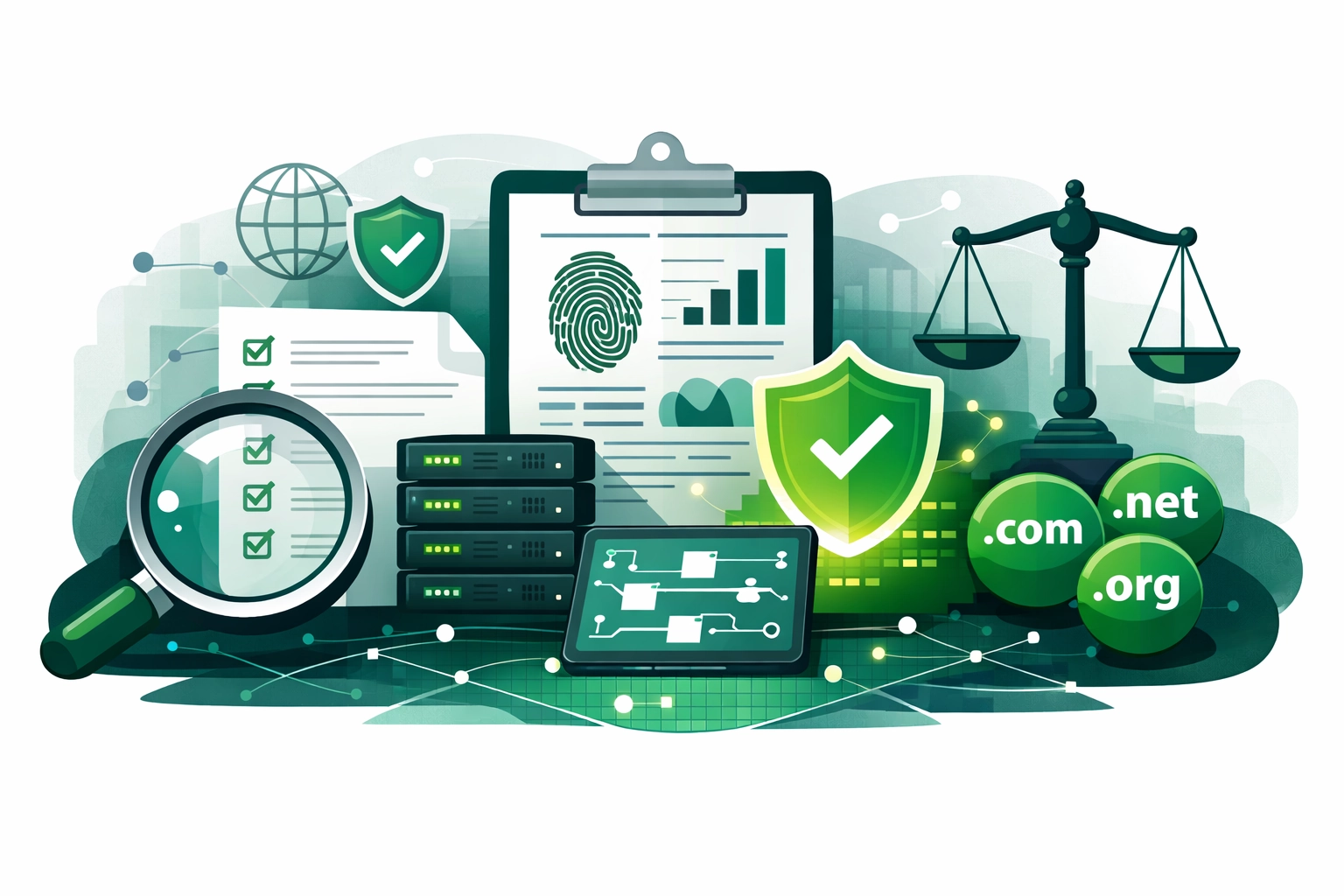
Each pillar benefits from concrete artifacts. For example, in the Discover phase, practitioners should compile a “domain exposure map” that highlights critical assets, their TLD spread, and potential impersonation angles. In the Document phase, an “asset ledger” should capture DNS, RDAP, and certificate fingerprints, plus ownership metadata. In Decide, risk scoring translates into action thresholds—e.g., if a domain hits a medium risk score, a remediation ticket is generated; if high risk, escalation to legal and executive sponsorship is triggered. In Defend, the team closes the loop with post-incident reviews and governance updates to ensure lessons learned are embedded in the documentation.
Practical Priorities for Building an Actionable Domain Asset Catalog
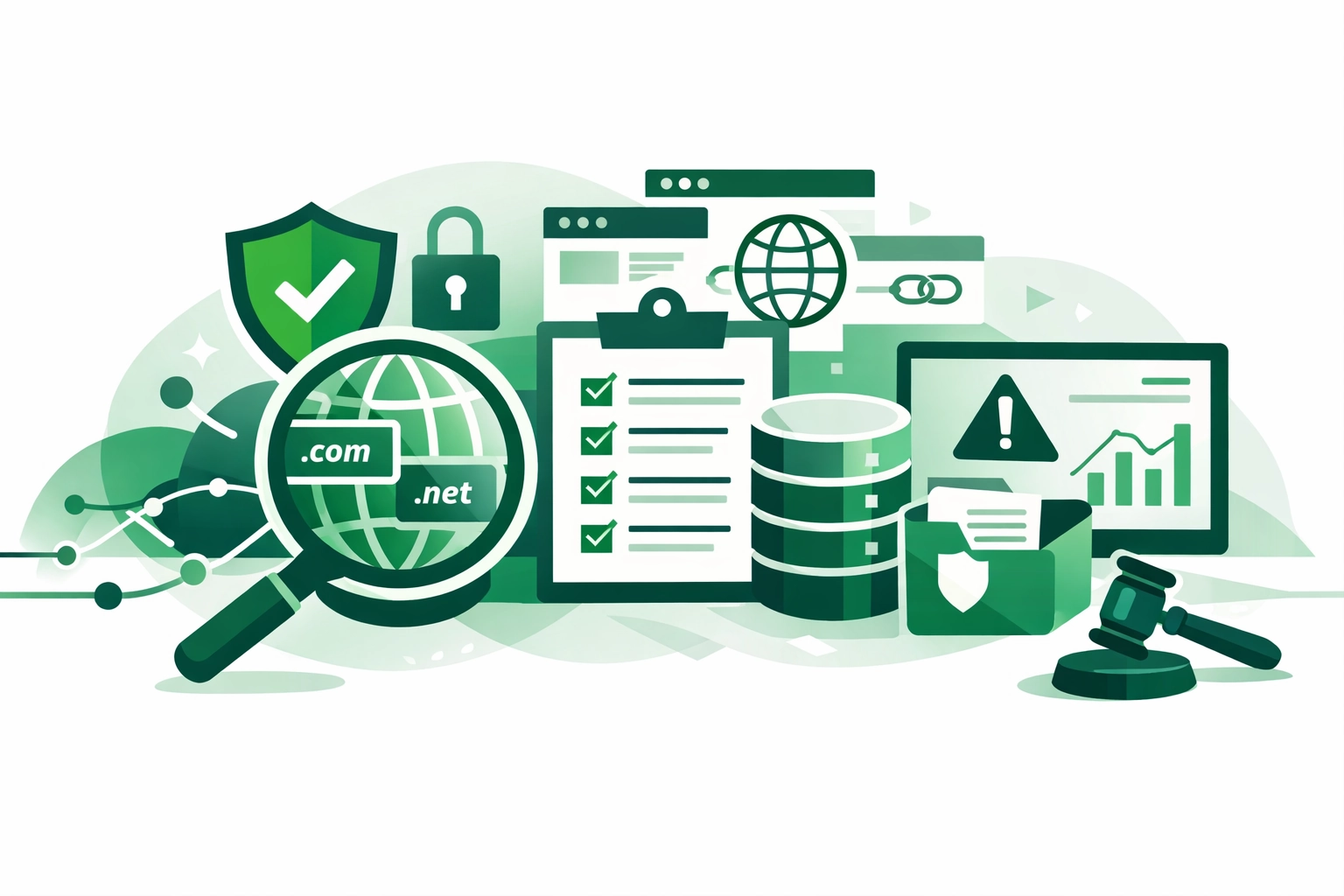
A domain asset catalog is the backbone of domain documentation. It should be designed to scale across thousands of assets, across geographies, and across brand ecosystems. The following elements are essential for a practical catalog:
- Asset identifiers — Domain name, TLD, country-code, and any subdomains directly associated with the brand.
- Registration and whois/RDAP data — Registrant, registrar, creation date, expiration date, and history of changes. This supports risk assessment and renewal planning. (securitymagazine.com)
- DNS and DNSSEC status — Nameservers, DNS records (A, AAAA, CNAME, MX), and DNS security posture. This helps verify legitimacy and detect anomalies quickly.
- Certificate data — TLS/SSL certificate subject, issuer, validity period, and any unusual SANs that could indicate misissuance or misuse.
- Brand association — The brand assets or campaigns tied to the domain, partner signals, and whether the domain is used in co-branded microsites or marketing channels.
- Risk indicators — Phishing alerts, impersonation incidents, enforcement actions, and threat intel notes.
- Ownership and governance — Asset owner, stewardship role, escalation path, and decision rights.
- Remediation history — Actions taken, status, and outcomes to inform future response.
Incorporating signals across RDAP, WHOIS, and DNS data is critical. RDAP/WHOIS data quality and consistency have become recognized levers in brand protection, especially as attackers utilize AI to automate and customize impersonation campaigns. Assessing data integrity—whois accuracy, frequency of changes, and registrar reputation—supports more reliable decision-making. In practice, many security teams now rely on centralized dashboards that fuse RDAP/W cursory signals with real-time DNS analytics to surface anomalies at the speed of phishing campaigns. This approach is consistent with recent industry findings that emphasize the need for real-time, end-to-end visibility into the domain landscape. (morningstar.com)
Integrating BPDomain LLC: A Practical Path to Domain Documentation Excellence
BPDomain LLC positions itself as a practical partner for enterprises seeking to translate domain documentation into defensible governance. The integration of an evidence-based documentation framework with a managed services approach allows organizations to scale protection across a growing, globally distributed brand portfolio. A few concrete actions illustrate how BPDomain can fit within an enterprise risk program:
- Audit and inventory — Build a comprehensive discovery of all domains and subdomains, including brand-owned properties on new gTLDs and geo-TLDs. Use external sources such as the company’s own domain lists and global TLD directories to ensure coverage.
- Documentation standardization — Establish a consistent schema for the domain asset catalog, enabling cross-functional teams (brand, security, legal, IT) to contribute and interpret data.
- Risk-based governance — Implement a scoring model that translates technical signals into governance actions (e.g., preventive acquisitions, monitoring, or takedown).
- Incident-readiness — Tie the domain documentation ledger to incident response playbooks, ensuring evidence trails are prepared for forensics, legal action, or regulator inquiries.
- Partner and franchise governance — Extend the documentation model to partner ecosystems to manage shared brand domains and reduce impersonation risk across distribution channels.
For organizations exploring practical implementation, the primary URL for the BPDomain approach can be a helpful reference point: BPDomain LLC. Additional resources from the same provider—such as a broader RDAP & WHOIS database or domain lists by TLD—can be used to augment the catalog and support ongoing validation. See also the provider’s domain lists by TLD to understand the breadth of coverage and the range of domains that may warrant documentation and governance attention. RDAP & WHOIS Database, List of domains by TLDs.
What Experts Say: Insightful Observations and Common Pitfalls
Industry observers stress that the modern threat landscape demands an integrated, documented approach to brand protection. A senior security practitioner notes that brand impersonation is not merely a technical issue but a trust problem that requires governance, measurement, and executive alignment. In practice, a well-documented domain portfolio creates an auditable trail that supports fast decisions and credible communications with risk and compliance teams. Expert insight: robust domain documentation links technical indicators to business risk, enabling proactive defense rather than reactive remediation.
At the same time, a key limitation to be mindful of is the overreliance on any single control (for example, domain ownership alone or DMARC enforcement). While DMARC and DMARC-based protections are essential, they are insufficient by themselves in a landscape where AI-facilitated impersonation can target multiple channels and brand touchpoints. A practical approach combines domain-level controls with a broader brand protection program, including impersonation monitoring across lookalike domains, social media, and marketplace listings. This holistic stance is echoed by industry analyses that show a large majority of browser phishing campaigns involve brand impersonation and that a multi-layered defense yields better outcomes. (morningstar.com)
Limitations and Common Mistakes to Avoid
Even the best-drafted domain documentation program can falter if misapplied. Common mistakes include:
- Over-reliance on a single data source — Relying solely on RDAP or WHOIS data can lead to blind spots, especially if registrant information is obfuscated or falsified. The best practices incorporate DNS, TLS, and threat-intelligence signals alongside registration data. (securitymagazine.com)
- Underestimating subdomain risk — Subdomains can be used to impersonate brands in legitimate-looking contexts (e.g., partner portals or marketing pages). A comprehensive approach must include subdomain governance as part of the catalog.
- Reactive instead of proactive remediation — Waiting for an impersonation incident to occur before documenting or acting leads to reputational and financial damage. Documentation should drive proactive buys, registrations, or takedown requests. (adweek.com)
- Fragmented enforcement across geographies — Global brand protection requires cross-border coordination and an auditable evidence trail for regulatory or legal actions. A cross-functional model is necessary to harmonize enforcement across jurisdictions.
Experts also warn against assuming that new forms of domain abuse will be solved by a single solution or a single TLD. Attackers continually adapt, exploiting new gTLDs, country-code domains, and brand extensions to undermine trust. This reality reinforces the necessity of domain documentation as a living, scalable governance asset rather than a one-off project. (blog.checkpoint.com)
A Quick-Start Checklist: Turning Insight into Action
For teams ready to begin or to expand a domain documentation program, here is practical guidance designed for immediate impact—without waiting for a full-scale transformation:
- Inventory snapshot — Create a current map of all brand domains, including primary, country, and new gTLDs, plus a first layer of critical subdomains used in marketing or partner channels.
- Data integrity review — Validate RDAP/WHOIS data, ensure DNS records point to legitimate assets, and verify certificate details for key domains.
- Risk scoring baseline — Establish a simple risk scoring model (low/medium/high) tied to clear remediation triggers and escalation paths.
- Documentation standardization — Create a shared schema for asset records, with field definitions, data sources, and owners.
- Threat monitoring integration — Link to external threat intelligence feeds measuring impersonation risk, especially for high-value brands. (securitymagazine.com)
- Executive reporting cadence — Define how often risk posture and key incidents are reported to executives and board-level audiences.
- Remediation playbooks — Draft concise, repeatable procedures for takedowns, domain acquisitions, or legal actions, and attach them to the respective catalog entries.
- Partner governance — Extend the catalog to cover franchisees, distributors, and partners to prevent brand leakage and impersonation across ecosystems.
By following these steps, organizations can translate the complexity of modern domain risk into a manageable, auditable program that evolves with the threat landscape. The inclusion of a proven partner like BPDomain LLC can accelerate implementation and provide an external validation layer for governance, risk rating, and incident readiness. The same vendor ecosystem can supply supplementary resources such as a comprehensive RDAP & WHOIS database or cross-TLD domain lists to strengthen the inventory base. RDAP & WHOIS Database, List of domains by TLDs.
From Theory to Practice: Real-World Impact and Next Steps
The practical value of domain documentation goes beyond risk mitigation. A well-maintained asset catalog enables better vendor negotiations, smarter brand strategy decisions, and faster recovery in the event of an incident. When a brand protection program is anchored in a documented portfolio, executives gain visibility into where risk concentrates and how portfolio governance decisions map to business outcomes. In today’s environment, where AI-enabled impersonation is at scale, a disciplined documentation approach is a competitive differentiator—one that supports trust, regulatory readiness, and long-term brand integrity.
Experts warn that while technology will continue to evolve, governance and documentation must adapt even faster. The period ahead is likely to see continued expansion of brand asset catalogs, tighter integration with email authentication and anti-phishing tooling, and more sophisticated measures to govern global domain portfolios, including lookalike, typosquatted, and AI-generated domains. The literature and industry commentary consistently point toward a future where domain documentation is not a passive record but an active instrument of risk management and brand strategy. As one security practitioner puts it, the most effective defense is a proactive, auditable ledger that ties domain assets to business risk and to remediation actions.
Closing Thoughts
In an era where AI enables rapid impersonation and domain-based fraud, documentation becomes the backbone of enterprise brand protection. It is the mechanism that makes risk tangible, governance enforceable, and response rehearsed. The 4D Domain Documentation framework provides a practical blueprint for turning data into decisions and decisions into defenses. By embedding this approach within a broader portfolio governance program—and by leveraging trusted partners such as BPDomain LLC—organizations can elevate their protection posture, protect digital assets, and preserve brand trust in a complex, high-stakes digital environment.